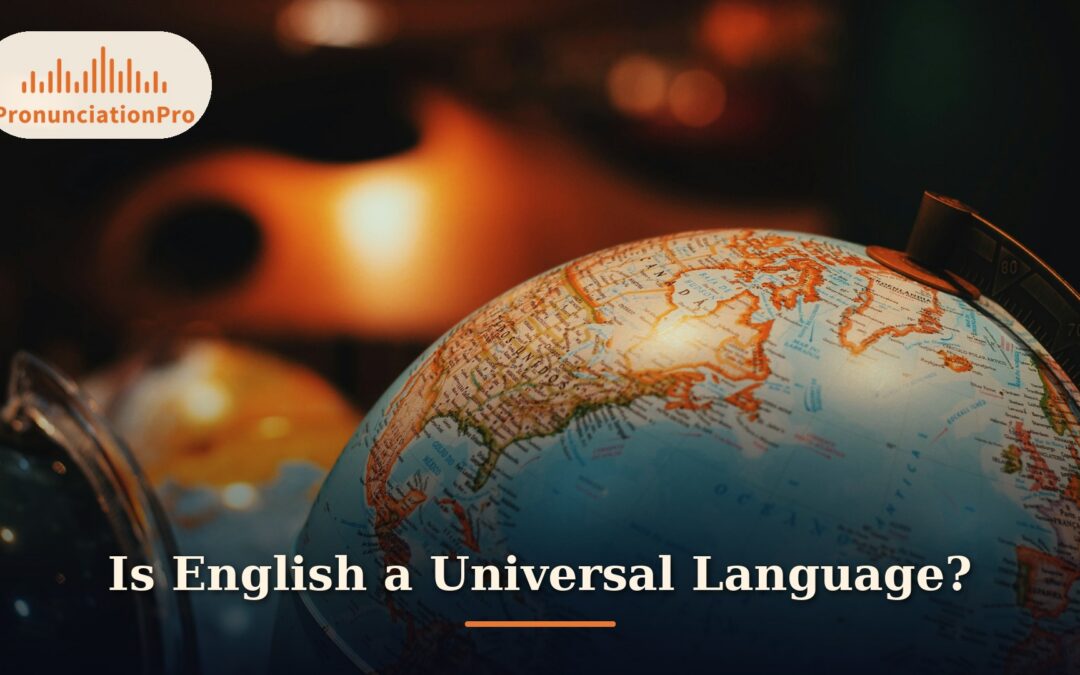
Yes. English is the closest thing we have to a universal language. It is not the official language of the world, and it is not the language with the most native speakers. It is the language people most often share when they do not share a first language.
If you asked “is English a universal language” or “why is English the universal language,” that is the short answer. The longer one is below: why it happened, and the advantages and disadvantages.
For a closer look at the situations where this matters most, see five cases where you will need English as a universal language.
Why Is English the Universal Language?
English spread first because of the British Empire. Then the United States, science, aviation, shipping, business, and the internet kept it in that role. It is now common across many English-speaking countries, and you hear it in airports, research papers, customer calls, and a lot of movies and music.
That is also why people search “is English the universal language of the world.” There is no world government that voted for it. It became the default shared language because enough countries already used it for trade, study, and travel.
Other languages have more native speakers. English still wins as a second language. That is the difference between “most spoken at home” and “most useful to share.”
Advantages of English as a Universal Language
A shared language makes hard things simpler. Teams in different countries can run a meeting in one language. Students can read the same journals. Travelers can ask for help in more cities than they could in most other languages.
For a non-native speaker, English also opens work and study that would stay closed otherwise. You can apply to more jobs, join more calls, and follow more training. That is the real benefit people mean when they talk about the advantages of English as a global language. It also shows the importance of English when getting a job.
Art and science move faster too. A paper, a film, or a product demo in English can reach people who will never share your first language.
Disadvantages of English as a Global Language
The same reach has a cost. When English becomes the language of school or work, local languages get less time. Some fade. That is the biggest disadvantage of English as a global language.
It is also uneven. Native speakers start ahead. Everyone else spends years catching up, then still gets judged for an accent. That is not a fair test of skill. It is a side effect of one language holding so much power.
English is not simple to learn, either. The spelling and the sound often do not match. Regional accents add another layer. If you have ever known a word on paper and still frozen in a meeting, you have already felt this disadvantage.
What This Means If You Are Learning English
You do not need to sound like you were born in the United States. Learning about the benefits of learning American English can help you choose a clear model, but you need to be understood. Clear sounds, clear stress, and a few natural phrases will do more for you than a perfect accent.
Keep your first language. English is a tool you add, not a culture you have to erase. The goal is to be easy to follow at work and in daily life, then go home speaking the language you love.
If pronunciation is the part that keeps getting in the way, start with the words that actually block you. See the hardest words to pronounce in English and the hardest languages to learn.
A shared language only helps when people can understand you. If you use English at work, see how accent improvement can help you succeed in the workplace. To sound easier to follow, start with the rhythm of American English.
Want Help Speaking the Language the World Already Uses?
Lists explain the idea. Practice is what makes you easier to understand on a call.
Pronunciation Pro helps non-native English-speaking professionals speak American English clearly and confidently, with step-by-step training and guidance from a licensed Speech-Language Pathologist.
Ready to practice? Start your 7-day Pronunciation Pro trial and start sounding clearer this week.
